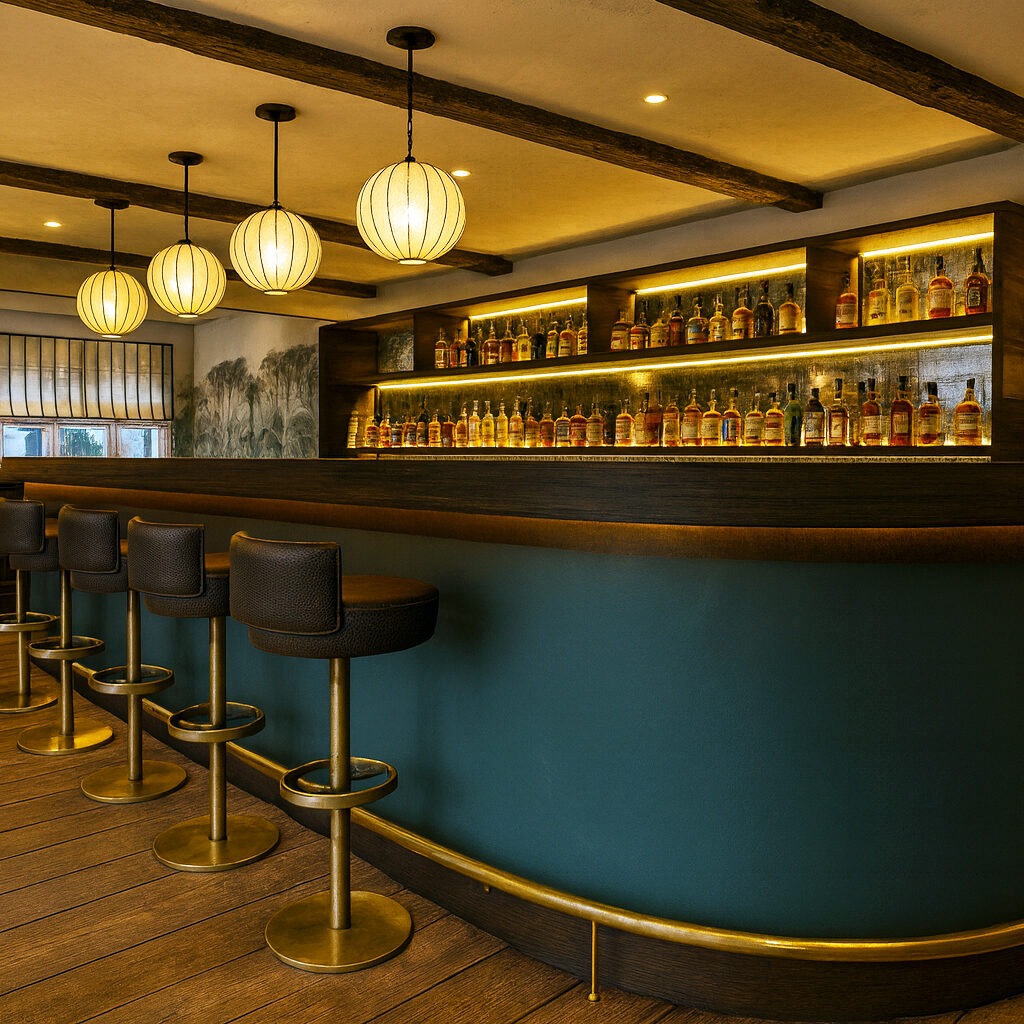
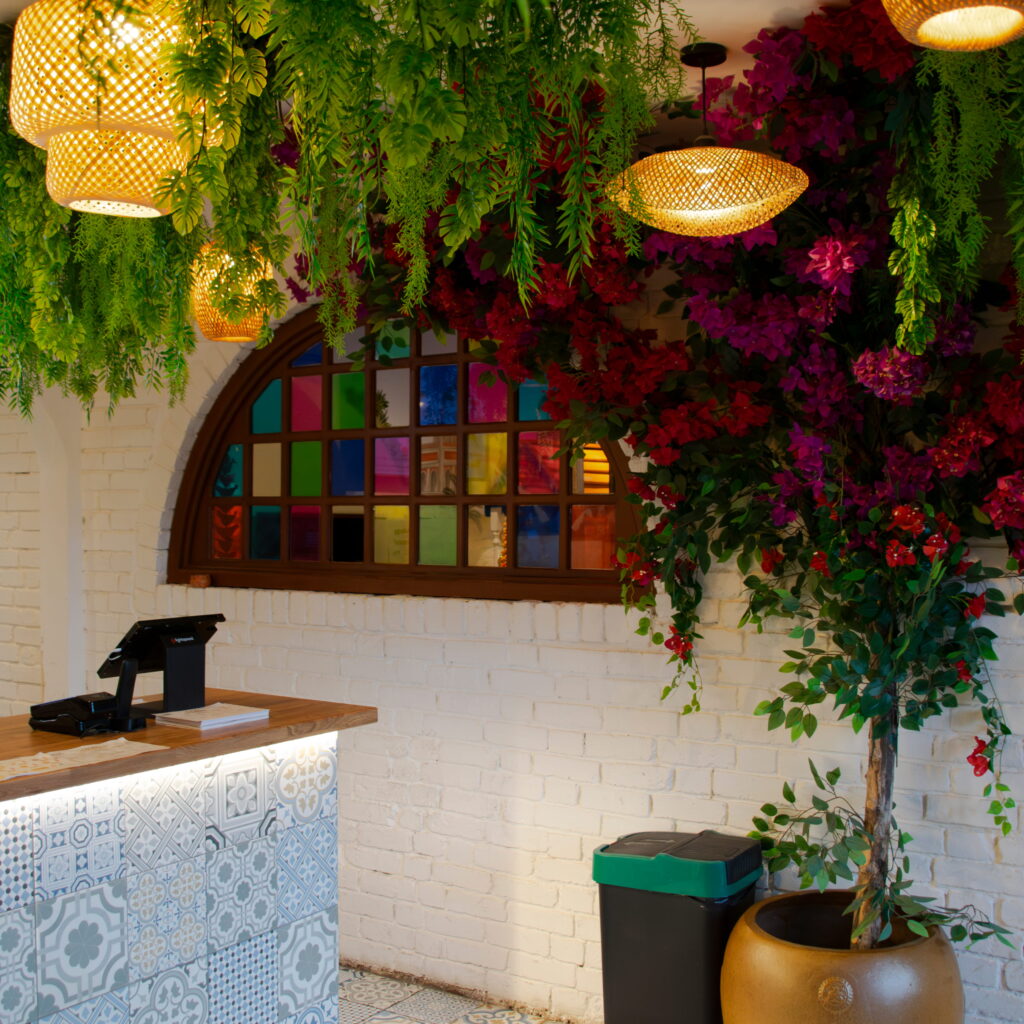
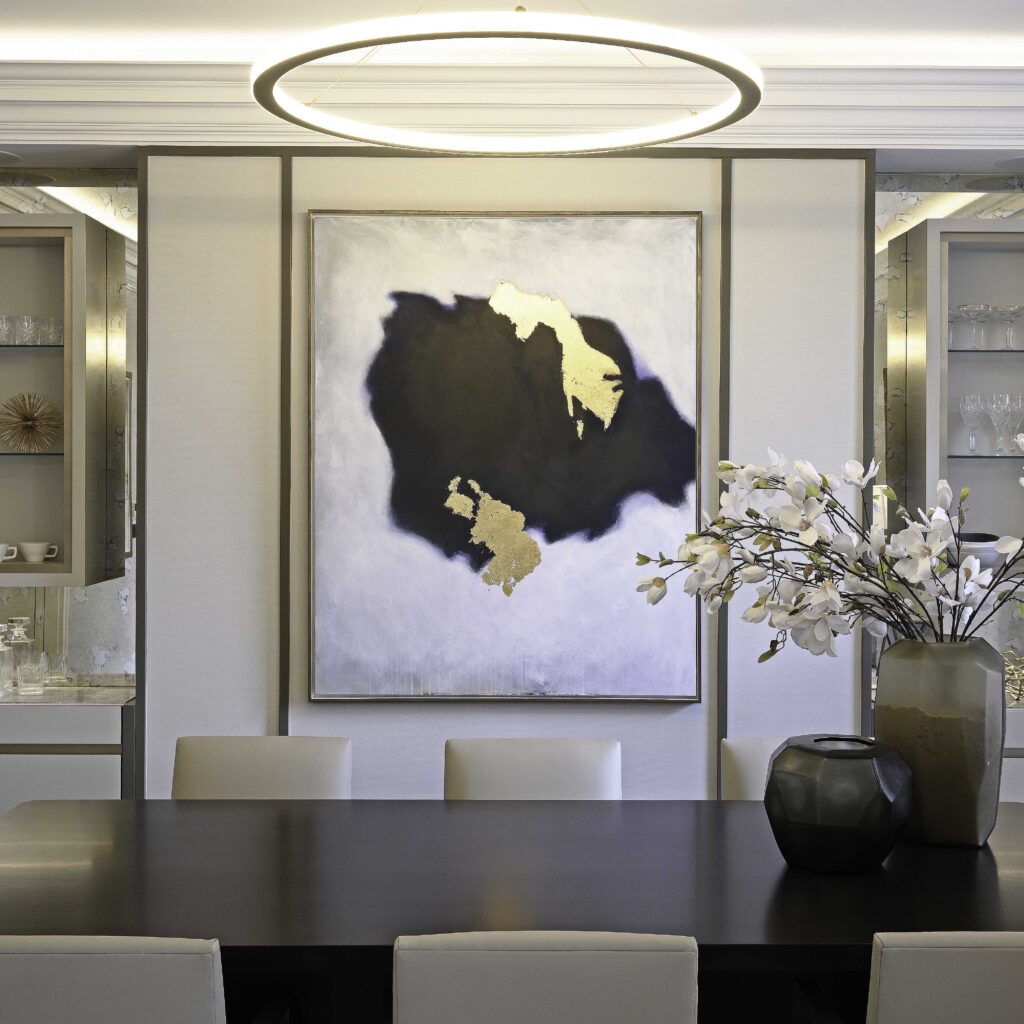
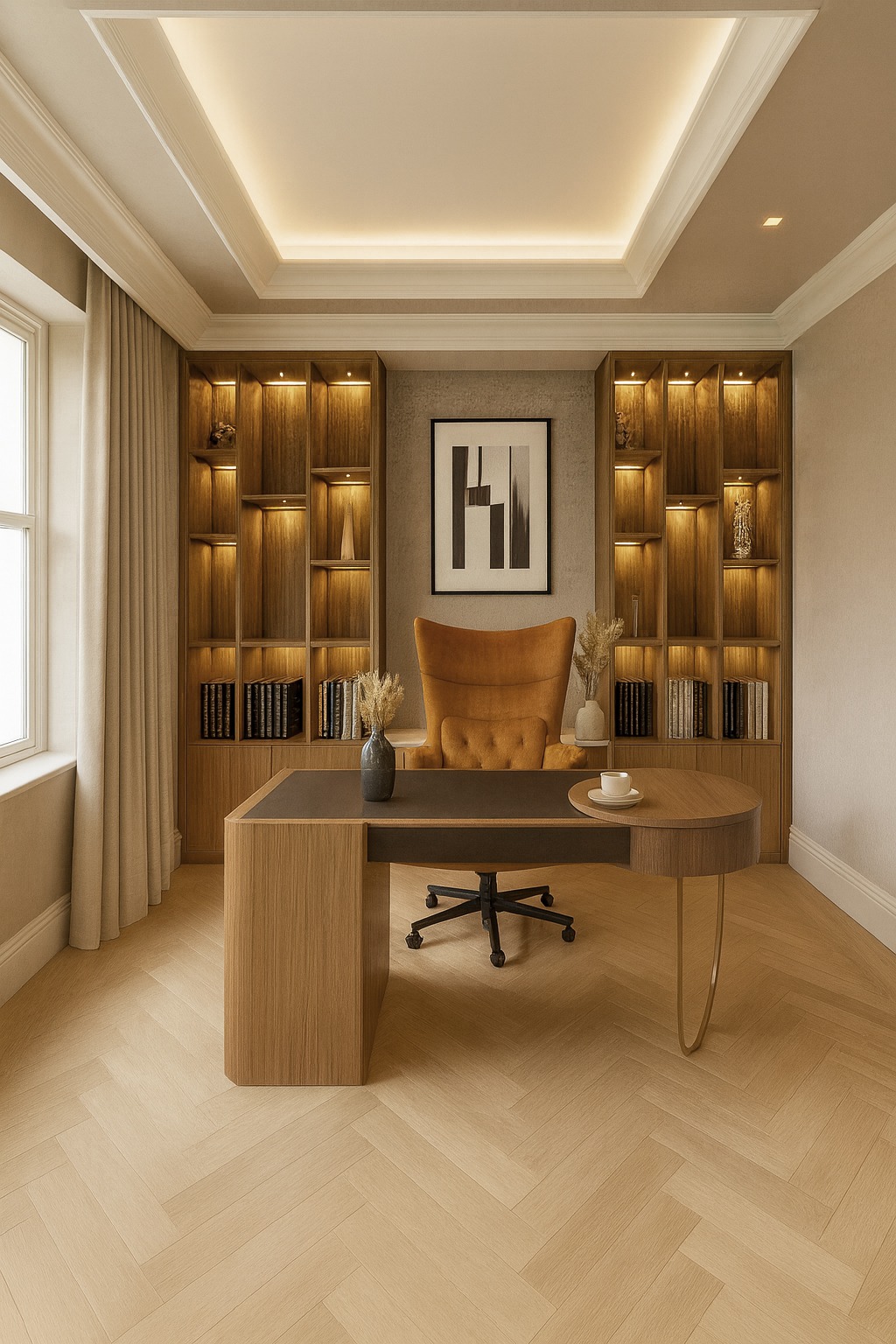
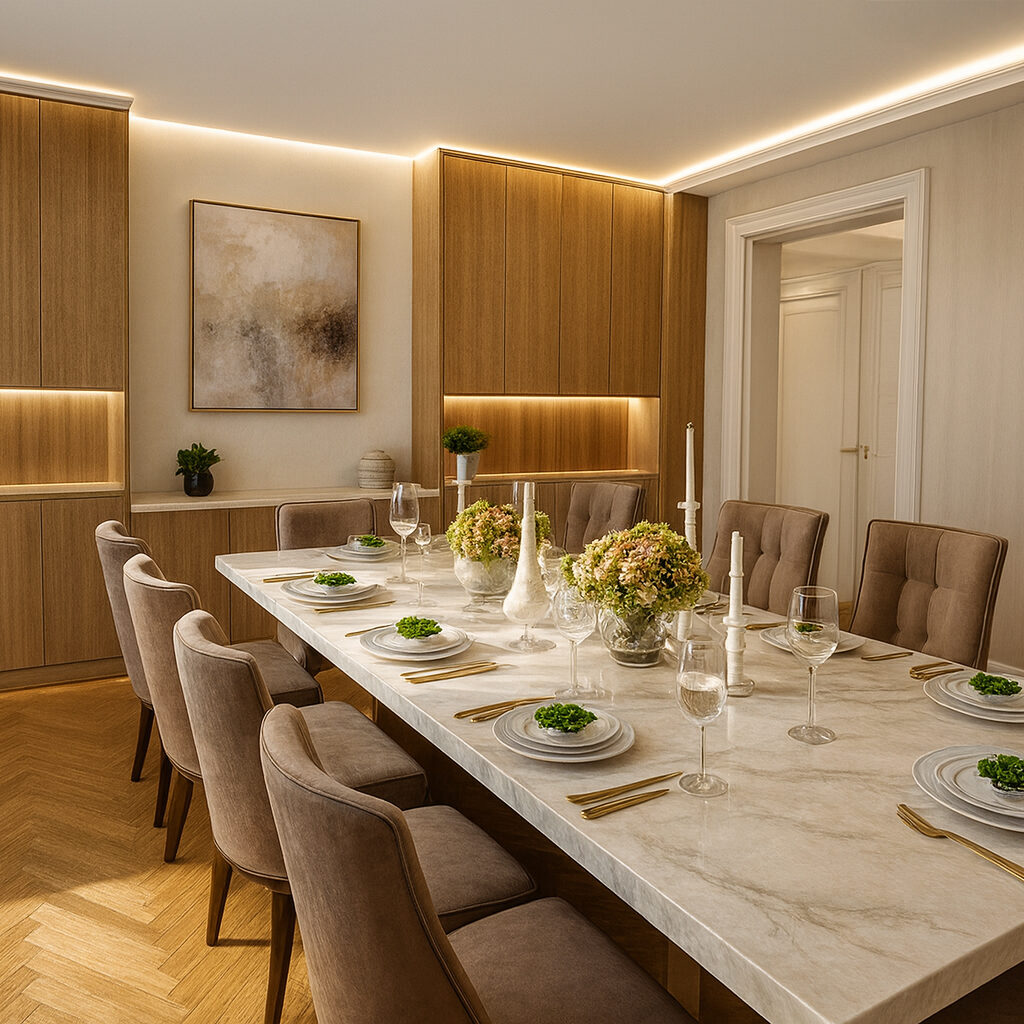
Dunraven Street - Mayfair Living Room Final

Mayfair Interior Design: What Makes It Unique?

Mayfair Interior Design: What Makes It Unique?

Mayfair has long been regarded as London’s most prestigious residential neighbourhood. From elegant Georgian townhouses and luxury apartments to world-renowned hotels and private members’ clubs, the area represents the very best of luxury living in the UK.

But what exactly makes Mayfair interior design different from luxury interiors elsewhere in London?

The answer lies in a unique combination of architectural heritage, craftsmanship, bespoke detailing, and a refined approach to modern luxury. Designing in Mayfair requires more than simply selecting beautiful materials and furniture. It demands a deep understanding of the area’s history, its architecture, and the expectations of discerning homeowners.

At Amit Dixit Design, our work on a private residence on Dunraven Street, Mayfair perfectly illustrates the principles that define exceptional interior design in one of London’s most sought-after postcodes.

Respecting Architectural Heritage

One of the defining characteristics of Mayfair is its extraordinary architectural legacy.

Many properties within the area feature period details that contribute significantly to their character and value. Original cornicing, decorative mouldings, high ceilings, grand proportions, and traditional joinery are all hallmarks of Mayfair’s architectural identity.

Successful luxury interior design in Mayfair is not about erasing history—it is about enhancing it.

For the Dunraven Street residence, the design approach focused on creating a sophisticated contemporary home while respecting the building’s architectural integrity. Carefully considered detailing, balanced proportions, and high-quality materials helped create an interior that feels both timeless and relevant to modern living.

This delicate balance between heritage and contemporary luxury is often what distinguishes Mayfair interiors from projects in newer developments across London.

Understated Luxury Rather Than Excess

Luxury in Mayfair tends to be subtle.

Unlike some international luxury markets where opulence can dominate the design narrative, Mayfair interiors are often characterised by restraint, elegance, and exceptional quality.

The Dunraven Street project reflects this philosophy through its carefully curated palette, bespoke finishes, and attention to detail. Rather than relying on overly decorative elements, the design focuses on craftsmanship, materiality, and spatial harmony.

The result is an environment that feels calm, sophisticated, and enduring—qualities that many high-net-worth clients increasingly prioritise over short-lived trends.

Bespoke Design Is Essential

Every Mayfair property presents unique opportunities and challenges.

No two homes are identical, which is why bespoke design plays such an important role in luxury residential interiors.

In premium London properties, clients expect spaces tailored specifically to their lifestyles. This often includes:

  • Custom-designed joinery
  • Bespoke furniture
  • Integrated storage solutions
  • Tailored lighting schemes
  • Specially sourced materials
  • Architectural detailing unique to the property

At Dunraven Street, bespoke interventions were carefully integrated throughout the project to maximise functionality while maintaining a seamless visual language.

This level of personalisation creates homes that feel unique to their owners rather than following a standard design formula.

The Importance of Space Planning

One of the less visible aspects of luxury interior design is space planning.

Many people associate interior design primarily with aesthetics, but the most successful Mayfair interiors are built upon intelligent layouts that enhance everyday living.

Prime central London properties often require creative solutions to accommodate modern lifestyles within historic building envelopes.

For the Dunraven Street residence, careful consideration was given to circulation, functionality, storage, and the relationship between individual spaces. The goal was to create a home that not only looked beautiful but also worked effortlessly for its occupants.

Great luxury design is often felt before it is noticed.

Material Selection Defines the Experience

Materiality plays a crucial role in Mayfair interior design.

The neighbourhood has long been associated with craftsmanship and quality, which means material choices must meet exceptionally high standards.

Across many luxury Mayfair residences, common features include:

  • Natural stone surfaces
  • Fine timber veneers
  • Bespoke metalwork
  • Hand-finished plaster details
  • Luxury textiles
  • Artisan-made furniture

The Dunraven Street project demonstrates how carefully selected materials can create depth, warmth, and sophistication without overwhelming the architecture.

When combined thoughtfully, these materials contribute to an atmosphere of effortless luxury that remains timeless.

Modern Living Within Historic Buildings

One of the most interesting challenges in Mayfair interior design is integrating modern living requirements into historic properties.

Today’s homeowners expect features such as:

  • Smart home technology
  • Advanced lighting control
  • Climate management systems
  • Home entertainment solutions
  • Enhanced security
  • Wellness-focused environments

The challenge is ensuring that these technologies enhance the experience without disrupting the architectural character of the property.

At Dunraven Street, contemporary comforts were incorporated discreetly, allowing the design to maintain a refined and elegant aesthetic while supporting modern lifestyles.

Why Attention to Detail Matters

Luxury is rarely defined by a single statement piece.

Instead, it emerges through the cumulative effect of hundreds of carefully considered decisions.

This philosophy was central to the Dunraven Street project, where every element—from joinery details and material transitions to lighting integration and furniture placement—was carefully coordinated to create a cohesive interior experience.

These details may not immediately command attention, but they are often what separates exceptional interiors from ordinary ones.

In Mayfair, where expectations are exceptionally high, attention to detail is not optional—it is essential.

What Homeowners Can Learn from Mayfair Design

Even for homeowners outside Mayfair, there are valuable lessons to take from the neighbourhood’s design philosophy.

The most successful luxury interiors tend to share several characteristics:

  • Timeless rather than trend-driven design
  • High-quality materials
  • Bespoke craftsmanship
  • Strong architectural relationships
  • Thoughtful space planning
  • Careful attention to detail
  • A focus on lifestyle and functionality

These principles create homes that remain relevant and enjoyable for many years to come.

Final Thoughts

Mayfair interior design is unique because it exists at the intersection of heritage, craftsmanship, and contemporary luxury. The neighbourhood’s exceptional properties demand a thoughtful approach that respects architectural history while delivering the comfort and sophistication expected by modern homeowners.

Our Dunraven Street project demonstrates how these principles can be brought together to create a residence that feels elegant, personal, and timeless.

At Amit Dixit Design, we specialise in luxury residential and commercial interiors across Mayfair, London, and the UK. Through a combination of bespoke design, architectural sensitivity, and meticulous attention to detail, we create interiors that reflect both the character of the property and the individuality of its owner.

Independent Hotel Show - Amsterdam 2025 View-6

How Much Does Interior Design Cost in London? (2026 Guide)

How Much Does Interior Design Cost in London? (2026 Guide)

Luxury Interior Design Costs for Residential & Commercial Projects Across London and the UK

One of the first questions clients ask when planning a luxury home renovation, penthouse refurbishment, boutique hotel, private members club, or commercial workplace is simple:

“How much does interior design cost in London?”

The answer depends on several factors, including the size of the property, the complexity of the project, the level of bespoke design required, and the experience of the interior design studio you choose.

In London’s prime residential and commercial markets, interior design is rarely viewed as an expense alone. It is an investment in lifestyle, functionality, property value, and long-term quality. Whether you are transforming a Kensington townhouse, a Mayfair apartment, a country estate, or a luxury commercial space, understanding design costs upfront helps you plan realistically and achieve the best results.

In this guide, we break down what luxury interior design costs look like in 2026 and what influences the final investment.

Typical Interior Design Costs in London

London remains the UK’s most competitive and sophisticated design market. As a result, fees tend to be significantly higher than the national average.

For 2026, typical design fees generally fall within the following ranges:

Design Consultation

Initial consultations typically range from:

  • £200 – £750+
  • Depending on the designer’s expertise and project scale

This stage usually includes an assessment of the property, discussion of objectives, budget guidance, and design direction.

Single Room Design

For a professionally designed living room, bedroom, home office, or media room:

  • £3,000 – £10,000+

Luxury spaces featuring bespoke joinery, custom furniture, specialist lighting, and premium materials can exceed this range considerably.

Full Residential Interior Design

For apartments, houses, penthouses, and large family homes:

  • £15,000 – £60,000+
  • Ultra-prime properties often exceed six-figure design fees

These projects commonly include space planning, interior architecture, bespoke furniture design, FF&E specification, procurement, contractor coordination, and installation management.

Luxury Commercial Interior Design

For offices, hospitality venues, wellness facilities, retail environments, and mixed-use developments:

  • £20,000 – £250,000+

Commercial projects require significantly more technical coordination, compliance considerations, branding integration, and stakeholder management, which can increase design fees substantially.

How Interior Designers Charge

Different studios use different fee structures depending on the project type.

Fixed Design Fee

A predetermined fee based on the agreed scope of work.

This is often preferred for residential projects because it provides budget certainty from the outset.

Some luxury interior designers charge:

  • 10% – 20% of the total project value

This approach is common for large-scale residential refurbishments, hospitality projects, and commercial developments.

What Influences Interior Design Costs?

No two projects are identical. Several key factors influence the overall investment required.

Property Size

A five-bedroom family home naturally requires more design development, drawings, specifications, procurement, and site coordination than a one-bedroom apartment.

Level of Bespoke Design

Luxury interior design increasingly focuses on uniqueness.

Custom-designed joinery, handcrafted furniture, artisan finishes, decorative lighting schemes, natural stone, and tailored architectural detailing all increase project complexity and cost.

However, these elements are often what transform a property from simply attractive to truly exceptional.

Listed Buildings and Heritage Properties

Many prime London homes are located within conservation areas or listed buildings.

Properties in areas such as Kensington, Chelsea, Belgravia, Holland Park, and Mayfair frequently require additional planning considerations, specialist consultants, and detailed approvals before works begin. These requirements can affect both timelines and budgets.

Scope of Services

A concept-only design package costs considerably less than a comprehensive turnkey service.

Full-service luxury interior design typically includes:

  • Concept development
  • Space planning
  • Interior architecture
  • Lighting design
  • FF&E specification
  • Bespoke furniture design
  • Procurement
  • Contractor coordination
  • Project management
  • Installation and styling

The more involved the designer becomes, the more value they can bring to the outcome.

Is Hiring a Luxury Interior Designer Worth It?

For high-value properties, the answer is almost always yes.

An experienced interior designer can help avoid costly mistakes, improve space planning, coordinate specialist suppliers, and deliver a cohesive result that enhances both enjoyment and property value. Industry guidance consistently highlights that professional designers save time, reduce decision fatigue, and help clients navigate complex renovations more efficiently.

For commercial spaces, professional design can also influence customer perception, employee wellbeing, operational efficiency, and brand positioning.

In today’s competitive property market, thoughtful design has become a significant differentiator.

Luxury Interior Design Trends Influencing Costs in 2026

The luxury sector continues to evolve.

Current trends include:

  • Bespoke craftsmanship
  • Artisan finishes
  • Wellness-focused interiors
  • Smart home integration
  • Statement lighting
  • Sustainable materials
  • Highly personalised spaces

Rather than minimalist “show homes,” clients increasingly seek homes and commercial environments that reflect individuality, comfort, and long-term quality. This shift is driving demand for custom solutions and specialist craftsmanship.

 While cost is important, choosing solely on price can be a costly mistake.

When selecting an interior design studio, consider:

  • Portfolio quality
  • Relevant project experience
  • Technical expertise
  • Design process
  • Communication style
  • Contractor network
  • Project management capability

The best designers combine creativity with technical knowledge and commercial awareness, ensuring projects run smoothly from concept through completion.

Final Thoughts

Interior design costs in London vary considerably depending on the property, project scope, and level of luxury required. For high-end residential and commercial projects, design fees are typically a small percentage of the overall investment but often have the greatest impact on the final result.

Whether you are planning a luxury apartment renovation, a country residence, a boutique hospitality project, or a premium workplace environment, working with an experienced luxury interior design studio can help maximise both the beauty and value of your investment.

At Amit Dixit Design, we create bespoke luxury interiors across London, the UK, and internationally, delivering refined residential and commercial spaces that combine timeless elegance with exceptional functionality.

Hotel Innovation Expo - London 2023 amit dixit design

The Connoisseur’s Guide: How to Choose a Luxury Interior Designer for Your London Residence

Selecting an interior designer is one of the most significant investments a homeowner can make. In a city like London—where architectural heritage meets cutting-edge innovation—the stakes are particularly high. Whether you have recently acquired a Grade II listed townhouse in Belgravia, a sleek lateral apartment in Knightsbridge, or a contemporary masterpiece in Highgate, the right designer does more than select furniture; they curate a lifestyle.

At Amit Dixit Design, we understand that the relationship between a client and a designer is a creative partnership built on trust, technical precision, and a shared vision. In this guide, we explore the essential steps to selecting a designer who can navigate the complexities of London luxury interiors.

1. Define Your Personal Luxury Narrative

Before beginning your search, it is vital to understand what luxury means to you. In 2026, the definition has shifted from “conspicuous consumption” to “intentional living.”

Are you looking for Modern Minimalism—clean lines, expansive glass, and a monochromatic palette? Or does your heart lean toward Modern Heritage—a fusion of Victorian architectural features with contemporary Italian furniture? Knowing your baseline aesthetic helps you filter designers whose portfolios resonate with your soul. At Amit Dixit Design, we believe a home should be “thoughtfully created for you,” meaning the narrative starts with your story, not a signature “house style.”

2. Evaluate Technical Expertise and Architectural Depth

In the “super-prime” London market, an interior designer must be more than a decorator. They must possess the technical acumen of an architect. When interviewing potential firms, ask about their experience with:

● Planning and Listed Building Consent: Navigating the Royal Borough of Kensington and Chelsea (RBKC) or the City of Westminster planning boards requires specialized knowledge. A designer who understands the constraints of heritage assets is invaluable.

● Spatial Architecture: Can the designer reconfigure a layout to maximize the “flow” of natural light? In London’s narrower terrace houses, spatial planning is the ultimate luxury.

● Smart Home Integration: Luxury in 2026 is invisible. Your designer should be able to integrate circadian lighting, hidden acoustic treatments, and climate control without compromising the aesthetic integrity of the room.

3. The Power of Visualization: VR and 3D Prototyping

One of the biggest risks in high-end design is the “expectation gap”—the difference between a mood board and the finished room. To mitigate this, look for a studio that utilizes cutting-edge technology.

At Amit Dixit Design, we utilize Virtual Reality (VR) and high-fidelity 3D rendering. This allows our clients to “step into” their Mayfair penthouse before a single floorboard is lifted. You should be able to see how the light hits a Calacatta marble countertop at 4:00 PM or how a bespoke silk rug anchors the living room. If a designer cannot provide this level of visual certainty, you are essentially flying blind.

4. Assessing the "Bespoke" Capability

A true luxury interior is one-of-a-kind. If a designer’s portfolio looks like a high-end showroom where everything is “off the shelf,” it may not be truly bespoke. The best London designers have an extensive network of artisans, from master joiners in the Cotswolds to glassblowers in Murano.

Key Questions to Ask:

● Do you design custom furniture pieces specifically for your projects?

● How do you source rare materials, such as reclaimed woods or specific stone slabs? ‘

● Can you commission site-specific art installations?

Luxury is found in the details—the hand-stitched leather inside a dressing room drawer or the custom-cast bronze door handles that no one else in the world owns.

5. Project Management and the "Turnkey" Experience

For many of our clients in the financial or legal sectors, time is the most precious commodity. Choosing a luxury designer who offers a Turnkey Service is essential. This means the designer manages the entire lifecycle of the project:

1. Concept & Design Development

2. Procurement & Logistics (handling international shipping and white-glove delivery)

3. On-site Contractor Management

4. Final Styling & Handover

A professional studio will have a transparent fee structure and a rigorous project management process. They act as your representative on-site, ensuring that the contractors adhere to the “London Standard” of craftsmanship.

6. Chemistry and Communication

You will be working with your designer for six months to two years, depending on the scale of the refurbishment. Chemistry is non-negotiable. During your initial consultation, observe:

● Do they listen more than they speak? A great designer seeks to understand your daily rituals—how you drink your coffee, how you entertain, and how you relax.

● Are they transparent about budgets? Even in luxury design, budget management is a sign of professionalism.

● Do they challenge you? A “yes-man” won’t push the boundaries of design. Look for a partner who offers creative solutions you hadn’t considered.

7. Targeting the "London Look": SEO Keywords for Your Search

When searching for the elite tier of designers, use specific terminology that reflects the high-end market. At Amit Dixit Design, we focus on these core pillars:

● High-end Interior Architecture London: Focusing on structural changes and premium finishes.

● Super-prime Residential Design: Specifically for properties valued in the top 1% of the market.

● Mayfair Interior Styling: Reflecting the sophisticated, international aesthetic of W1.

● Bespoke Furniture Design: Ensuring every piece is tailored to the dimensions of your home.

● Sustainable Luxury Interiors: Using eco-conscious materials without sacrificing opulence.

Why Choose Amit Dixit Design?

At Amit Dixit Design, our philosophy is rooted in the belief that luxury is a feeling of total alignment between a person and their environment. We don’t just design rooms; we create sanctuaries.

By blending traditional British craftsmanship with global modernist influences and cutting-edge VR technology, we ensure that your London home is not just a place to live, but a masterpiece to be experienced.

We invite you to step into a world of luxury, thoughtfully created for you. Whether you are at the start of a major renovation or seeking to refresh a heritage property, our studio is equipped to bring your vision to life with unparalleled precision.

Final Checklist for Choosing Your Designer:

● [ ] Portfolio Diversity: Do they show a range of styles or just one look?

● [ ] Technical Prowess: Can they handle structural and smart-home complexities?

● [ ] Visualization: Do they offer VR or 3D walk-throughs?

● [ ] Project Management: Is it a full turnkey service?

● [ ] Communication: Do you feel a creative “click”?

Ready to transform your residence?

Explore our Portfolio or Book a Private Consultation with our London studio today.

Hampstead Heath HouseDining-Room

The Ultimate Guide: Modern vs. Classic Interior Design for London Luxury Homes

In the global capital of design, the dialogue between history and innovation is constant. For the discerning homeowner in London’s most prestigious postcodes—from the stucco-fronted grandiosity of Belgravia to the cutting-edge glass structures of Battersea Power Station—the choice of interior style is more than an aesthetic preference; it is a statement of identity.

At Amit Dixit Design, we understand that a luxury residence must be a sanctuary that reflects the soul of its inhabitant. The debate between Modern vs. Classic interior design is a cornerstone of our practice. As we navigate the trends of 2026, we find that the most successful projects aren’t those that pick a side, but those that master the tension between the two. 

The Pillars of Classic Interior Design: Timeless Grandeur

Classic design is the language of London’s heritage. It is rooted in the principles of the 18th and 19th centuries, drawing heavily from Georgian, Victorian, and Regency influences. For a property in Kensington or Hampstead, embracing the “Classic” means honoring the architectural DNA of the building.

1. Symmetry and Order

The hallmark of classicism is balance. Rooms are often designed around a central focal point—usually a grand marble fireplace or a curated art piece. Symmetrical furniture arrangements create a sense of stability and formal elegance that is inherently calming to the eye.

2. Architectural Integrity

In London’s Grade II listed buildings, the architecture is the art.

 Classic design celebrates:

  • Ornate Plasterwork: Intricate crown moldings, ceiling roses, and wainscoting. 
  • Noble Materials: The use of dark woods like walnut and mahogany, paired with Carrara marble and polished brass.
  • Textural Depth: Heavy silk drapery, damask wallcoverings, and velvet upholstery that offer a multi-sensory experience of luxury. 

3. The Color Palette of the Aristocracy

Classic interiors often lean toward a grounded, sophisticated palette. We utilize “Heritage Tones”—deep navy, hunter green, and burgundy—balanced by warm creams and gold leaf accents to reflect the light of a London afternoon.

The Evolution of Modern Interior Design: The Sophistication of Simplicity

Modern design in the 2026 luxury market has moved far beyond the “cold” minimalism of the early 2000s. Today, it represents a “visual detox”—a way to create breathing room within the high-octane energy of the city.

1. Form Follows Function

In a modern London penthouse, every element must earn its place. The focus is on clean, horizontal lines and an “uncluttered” philosophy. This style prioritizes the volume of the space over the ornamentation of the objects within it.

2. The New Materiality

Modernity in 2026 is defined by tactile minimalism. We move away from the purely synthetic and embrace: 

  • Industrial Refinement: Brushed steel, blackened hardware, and poured resin floors.
  • Organic Textures: Reclaimed light oak, bouclé fabrics, and honed (matte) stone surfaces.
  • ● Light as a Material: Using floor-to-ceiling glazing and smart-glass technology to make the London skyline the primary “wallpaper” of the home. 

3. The "Textured Nude" Palette

Modernity is currently defined by soft, atmospheric neutrals. We utilize shades of “Oatmeal,” “Clay,” and “Mushroom” to create a monochromatic layers that feel expansive and airy.

The 2026 Trend: The "Modern Classic" Fusion

The most sophisticated London luxury interiors today fall into the “Modern Classic” or “Transitional” category. This is where Amit Dixit Design truly excels. We believe that a home should feel like it has been curated over time, not delivered in a single box.

Bridging the Gap: How to Blend Styles

To achieve a harmonious fusion, we follow a specific design logic: 

  • The 80/20 Rule: We typically recommend a 80% dominant style with 20% accent style. For example, a classic Georgian room with original cornicing (80%) brought into the present with a bold, sculptural modern Italian sofa and minimalist lighting (20%).
  • Modernizing the Classic: We take traditional silhouettes—like a Chesterfield sofa—and reupholster them in an unexpected modern fabric like a high-performance matte linen or a vibrant jewel-toned mohair. 
  • Hardware and Accents: 2026 is seeing a massive shift toward Silver Tones. Replacing traditional gold or brass hardware with polished chrome or brushed nickel instantly “cools” a classic room, giving it a contemporary edge.

London-Specific Design Considerations

Designing for the London market requires a deep understanding of local constraints and opportunities. Space Optimization in the City Whether it’s a mews house in Marylebone or a lateral apartment in Knightsbridge, space is the ultimate luxury. 

  • Modern Approach: Use “floating” cabinetry and mirrors to create the illusion of infinite floor space. 
  • Classic Approach: Use bespoke, floor-to-ceiling joinery to maximize vertical storage while maintaining the “library” aesthetic.

Wellness and Technology

Regardless of the aesthetic, a 2026 luxury home must be “intelligent.” At our studio, we integrate:

  • Invisible Tech: Submerged speakers and hidden cinema screens that don’t disrupt the classic molding. 
  • Circadian Lighting: Lighting systems that mimic natural daylight cycles, essential for maintaining well-being during London’s shorter winter days. 

Why Partner with Amit Dixit Design?

Choosing between Modern and Classic can be daunting. Our process removes the guesswork through state-of-the-art Virtual Reality (VR) prototyping. We allow our clients to “walk through” their redesigned space, toggling between classic and modern finishes in real-time before a single contractor is hired. We specialize in Super-prime residential design, ensuring that every project—whether a sleek Mayfair bachelor pad or a sprawling Richmond family estate—is delivered with the precision of high-end architecture and the soul of bespoke artistry.

Key Keywords for London Luxury:

● High-end interior architecture London

● Bespoke furniture commissions

● Grade II listed building renovation

● Luxury property styling Mayfair

● Contemporary London penthouse design

Final Thoughts: Creating Your Legacy

 Ultimately, the choice between Modern and Classic isn’t about what is “in fashion.” It is about how you want to feel when you cross the threshold of your home. Classic design offers a sense of legacy and permanence, while Modern design offers clarity and progress.

At Amit Dixit Design, we step with you into a world of luxury, thoughtfully created for you. Let us help you find the perfect equilibrium for your London residence.

Book Your Private Design Consultation with Amit Dixit

house interior design

The Future of Refined Living: Top Luxury Interior Design Trends in London for 2026

In the heart of London’s most prestigious postcodes—from the historic townhouses of Chelsea to the sleek penthouses of Mayfair—a new era of luxury is unfolding. At Amit Dixit Design, we believe that luxury in 2026 is no longer defined by mere opulence; it is defined by precision, purpose, and personal storytelling.

As we move through 2026, the London design landscape is shifting away from “show-home” perfection toward interiors that feel “lived-in yet curated.” Here are the defining trends shaping the world of high-end London interiors this year. 
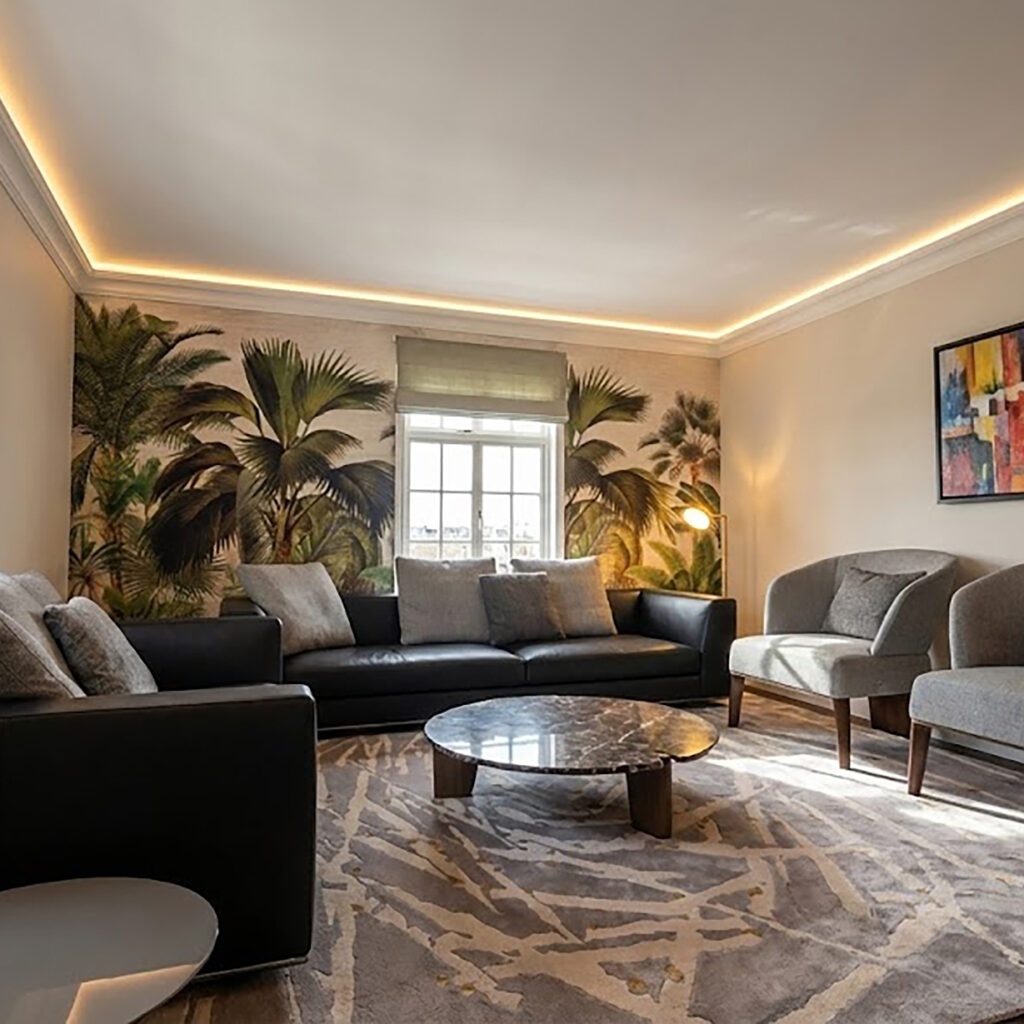
Hanover House – St Johns Wood – London TV Lounge View

1. Biophilic Architecture & "The Indoor Forest"

The boundary between the London terrace and the garden is disappearing. In 2026, we are seeing a heightened demand for biophilic design that goes beyond a few potted plants. 

  • Living Walls & Internal Courtyards: Integrating nature into the structural fabric of the home. 
  • Natural Light Engineering: Using advanced light wells and 3D-visualized spatial planning to maximize Vitamin D even on the greyest London afternoons. 
  • Materials: Raw stone, unpolished marble, and light timbers like acacia and bamboo that bring the tactile serenity of the outdoors in. 

2. The Return of "Quiet Sophistication"

While “Quiet Luxury” was the buzzword of previous years, 2026 sees it evolve into Quiet Sophistication. This trend focuses on the “tactile nude”—a palette of oatmeal, blush, and soft clay layered with rich textures. 

  • The Palette: Moving away from cold greys into “Mocha Mousse” and “Rhythm of Blues” (the 2026 colors of the year). 
  • Tactility: Think bouclé cushions paired with mohair throws and bespoke wool rugs. ● Amit’s Take: “A space should be felt before it is seen. We use layered neutrals to create a ‘cave-like’ sanctuary that protects the soul from the hustle of the city.”

3. Sculptural Curves & Organic Flow

Sharp, industrial edges are officially a thing of the past. The 2026 aesthetic is defined by softness and flow, drawing inspiration from the organic silhouettes of the 1970s but refined with modern precision.

  • Curved Architecture: Arched doorways, fluted kitchen islands, and circular staircases that reduce visual “bulk.”
  • Statement Seating: “Fat” armchairs and sofas with architectural edges that serve as functional art.
  • Flow: At Amit Dixit Design, we utilize VR technology to ensure these curves enhance the movement and “Qi” of a room before a single wall is built. 

4. Modern Heritage: The Nostalgic Reclamation

Londoners are increasingly looking to bridge the gap between their property’s history and their modern lifestyle. This trend, known as Modern Heritage, celebrates the “imperfect and handmade.” 

  • Bespoke Joinery: Custom-built libraries and floor-to-ceiling wardrobes that respect original Grade II listed moldings.
  • Curated Contrast: Pairing an antique Regency table with sleek, silver-toned metallic accents like brushed nickel or polished chrome—which are making a massive comeback over brass this year. 
  • Global Artisans: Sourcing one-off pieces from master craftsmen to ensure your home tells a story that cannot be replicated.

5. Wellness-Led "Quiet" Tech

Luxury in 2026 is “smart” but invisible. We are designing homes that actively support the nervous system. 

  • Circadian Lighting: Smart systems that shift color temperature to match your body clock. 
  • Acoustic Luxury: Hidden sound-absorbing panels and “silent” air filtration systems. ● Multi-Functional Zones: Guest rooms that transform into high-end wellness pods or yoga studios at the touch of a button. 
Sloane Building - Cheasea

Redefining Grandeur: Inside The Sloane Building, Chelsea

In the heart of Chelsea, where heritage architecture meets the pinnacle of modern sophistication, sits The Sloane Building. For Amit Dixit Design, this project represents a masterclass in luxury residential renovation—a seamless dialogue between the building’s storied past and a future defined by bespoke interior design.

Sloane Building - Cheasea

The Sloane Building is not merely a residence; it is an architectural statement. With its soaring double-height ceilings and vast, light-filled apertures, the space demanded an interior vision that matched its structural ambition.

The Volume of Luxury

The defining characteristic of this Chelsea redevelopment is undoubtedly its scale. In a city where space is the ultimate luxury, the immense verticality of The Sloane Building allowed us to play with “architectural air.” We utilized the grand, arched windows to anchor the room, allowing natural light to sweep across the open-plan living spaces and highlight the curated textures within.

A Study in Materiality and Craftsmanship

To ground the vastness of the interiors, we curated a palette of noble materials. From hand-selected marbles to rich, dark timbers, every element was chosen to provide a sense of “quiet luxury.”

 ● Bespoke Joinery: Every cabinet and shelving unit was custom-engineered to fit the unique proportions of the space, ensuring that the storage is as beautiful as the art it sits alongside.

Curated FF&E: The furniture selection leans into warm minimalism, featuring sculptural silhouettes that hold their own against the building’s grand industrial-heritage bones.

The Art of the Mezzanine

One of the most compelling features of our work at The Sloane Building is the treatment of vertical transitions. By utilizing glass balustrades and slimline metalwork, we preserved the
sightlines across the double-height voids. This ensures that whether you are in the intimate upper-level primary suite or the expansive entertaining lounge, the home feels interconnected and cohesive—a hallmark of high-end London interiors.

A Modern Legacy

The Sloane Building project is a testament to what happens when interior architecture honors the soul of a building while introducing the comforts of a turn-key luxury lifestyle. It is a home designed for the collector, the entertainer, and the individual who appreciates then finer nuances of PCL property design.

Rose & Crown - Tonbridge - Kent Lounge Seating View

Luxury Pub Interior Design in London : The Rose & Crown Hotel Project

Designing a luxury pub interior in London requires a delicate balance between heritage, atmosphere, and contemporary hospitality expectations. Today’s guests expect more than a traditional drinking venue—they look for spaces that offer character, comfort, and a memorable social experience. 

The The Rose & Crown Hotel demonstrates how thoughtful interior design can elevate a pub environment into a refined hospitality destination. Through careful spatial planning, material selection, and bespoke design elements, the project captures the warmth of a classic British pub while introducing a sophisticated contemporary aesthetic.

Rose & Crown - Tonbridge - Kent Bar View

Reimagining the Modern Luxury Pub

London’s hospitality scene has evolved significantly in recent years. The rise of luxury pubs in London reflects a shift toward venues that combine high-quality food, premium drinks, and carefully designed interiors.

For The Rose & Crown Hotel, the design approach focused on creating a space that feels both welcoming and elevated. Instead of relying purely on traditional pub motifs, the interior blends classic British character with contemporary hospitality design, resulting in a space that appeals to both local guests and visitors seeking an authentic yet refined experience.

This approach reflects a broader trend in high-end pub interior design in London, where atmosphere and interior architecture play a crucial role in shaping the guest experience.

Interior Architecture and Spatial Zoning

A key element in designing successful luxury pub interiors is creating multiple social zones within a single venue. Rather than one large open space, the interior of The Rose & Crown Hotel is structured to accommodate different types of gatherings.


Distinct areas within the venue include: 

  • A central bar designed as the focal point of the space 
  • Intimate seating zones for small groups 
  • Lounge-style areas for relaxed socialising 
  • Flexible spaces for larger gatherings or events 

This zoning strategy allows the pub to function throughout the day—from casual lunches and evening drinks to private events and social gatherings. Carefully arranged seating layouts and circulation paths ensure the space remains dynamic while maintaining comfort and intimacy.

Material Palette and Atmosphere

Material selection plays a defining role in establishing the identity of luxury pubs in London. The Rose & Crown Hotel embraces a rich and layered palette that enhances the warmth and authenticity of the interior. 


Key design elements include: 

  • Natural timber finishes that evoke traditional pub craftsmanship 
  • Textured wall treatments that add depth and character 
  • Brass and metal accents that bring subtle elegance
  • Soft furnishings and upholstery that introduce comfort and colour


The combination of these materials creates a refined yet relaxed atmosphere, ensuring the interior feels both sophisticated and welcoming.

Lighting Design for Hospitality Spaces

Lighting is one of the most important components in luxury hospitality interior design. In pub environments, lighting must balance ambience with functionality. At The Rose & Crown Hotel, layered lighting was used to create different moods throughout the space: 
  • Warm ambient lighting enhances the overall atmosphere 
  • Decorative pendants highlight key areas such as the bar 
  • Accent lighting draws attention to architectural features and textures 
This layered approach ensures that the pub transitions seamlessly from a lively daytime environment to a more intimate evening setting.A defining feature of high-end pub interiors in London is the level of detail within the design. Rather than relying on standard fixtures, bespoke elements help create a distinctive identity.

Bespoke Details and Craftsmanship

In projects such as The Rose & Crown Hotel, bespoke design elements may include: 

  • Custom joinery and bar design 
  • Tailored seating and upholstery 
  • Feature lighting installations 
  • Decorative wall panelling and architectural detailing

These elements contribute to a space that feels curated and unique, reinforcing the character of the venue while enhancing the guest experience.

Creating Memorable Hospitality Experiences

The success of a luxury pub is not defined solely by its menu or drinks offering—interior design plays an equally important role in shaping how guests interact with the space.

By combining interior architecture, bespoke materials, and thoughtful spatial planning, venues like The Rose & Crown Hotel demonstrate how luxury pub design in London can transform traditional hospitality concepts into sophisticated social environments.

The Future of Luxury Pub Design in London

As London’s hospitality landscape continues to evolve, the demand for luxury pub interiors is only growing. Guests are increasingly drawn to venues that offer not just great food and drinks, but also immersive environments that feel carefully designed and memorable. 

Projects like The Rose & Crown Hotel illustrate how contemporary design studios are redefining what a high-end pub interior in London can be—spaces where heritage, craftsmanship, and modern design come together to create exceptional hospitality experiences.

Chai Stories - Cippenham - Slough amit dixit London

Café Interior Design in London

Designing distinctive café interiors in London requires more than simply creating a place to drink coffee or tea. The most memorable cafés combine atmosphere, culture, and thoughtful interior design to create a unique experience.

At Chai Stories Cafe, the design concept blends the relaxed elegance of Santorini-inspired aesthetics with the warmth and cultural storytelling of Indian chai traditions. The result is a space that feels bright, welcoming, and immersive – where every cup of chai becomes part of a larger sensory experience.

In a city known for its diverse food and hospitality scene, projects like this demonstrate how modern café interior design in London can merge global inspirations to create something truly unique.

Chai Stories Cafe interior design

A Concept Inspired by Travel and Tradition

The interior concept for Chai Stories was developed around a simple but evocative idea:

What if the tranquil atmosphere of Santorini met the vibrant culture of Indian chai?

The design captures the airy, sunlit aesthetic often associated with Mediterranean cafés while celebrating the rich flavours and social rituals of chai culture. Chai cafés have increasingly become spaces that blend cultural storytelling with contemporary hospitality environments, turning tea drinking into a communal experience rather than just a beverage purchase. By combining these influences, the café interior becomes both visually striking and emotionally engaging.

Natural Light as a Design Feature

One of the most important elements in successful café interior design in London is the use of natural light. At Chai Stories, the design emphasises daylight to create a calm and uplifting environment that changes throughout the day

Key interior design features that enhance natural light include:

Large windows and open frontage

The café layout maximises daylight penetration, creating an inviting connection between the street and the interior space.

Light-toned walls inspired by Santorini architecture

Soft white and neutral surfaces reflect daylight across the interior, creating a bright and airy atmosphere.

 ● Minimal visual clutter

Clean architectural lines allow natural light to remain the focus, enhancing the sense of openness within the café.

 ● Reflective materials and light finishes

Subtle textures and finishes help distribute light throughout the seating areas, making the space feel larger and more welcoming.

Day-to-evening transition

As daylight fades, the interior lighting takes over seamlessly, maintaining the warm and relaxed ambience of the space. This approach creates a café interior that feels vibrant during the day while remaining cosy in the evening.

Santorini Aesthetics in a London Café

The Mediterranean influence appears through subtle design choices that evoke the relaxed character of island cafés.

Design elements that reference Santorini include:
● Whitewashed walls and clean architectural forms
● Soft blue accents reminiscent of coastal Greek architecture
● Textured plaster surfaces that add depth and character
● Light wooden furniture that enhances the relaxed holiday atmosphere
These details create a bright and calming café interior, offering a visual escape from thefast pace of London life.

Celebrating Indian Chai Culture

While the spatial design references Mediterranean aesthetics, the heart of the café remains rooted in Indian chai traditions. Chai culture revolves around community, storytelling, and shared experiences. Authentic chai cafés often focus on warmth, sensory richness, and relaxed social spaces that encourage people to stay longer and connect over tea.

 At Chai Stories, this influence appears through:

● A welcoming central service counter where chai preparation becomes part of the experience

● Aromatic spices and traditional recipes that reflect Indian tea culture

● A menu inspired by regional Indian flavours and street food favourites (https://www.amitdixitdesign.com/chai-stories-cafe/)

  • Comfortable seating areas designed for conversation and social interaction This combination transforms the café into more than a dining venue—it becomes a cultural meeting point.

Designing a Memorable Café Experience

Successful café interiors in London must balance aesthetics with functionality. The interior layout at Chai Stories is designed to support different customer experiences throughout the day.

The spatial flow allows for:

 ● Quick takeaway visits in the morning

● Casual daytime gatherings over chai and breakfast

● Relaxed evening socialising with friends and family By creating flexible seating zones and maintaining a visually open layout, the café adapts naturally to changing customer needs.

The Role of Interior Design in London’s Café Culture

London’s café scene has become increasingly design-led. Guests are drawn to spaces that offer atmosphere, identity, and visual storytelling alongside great food and beverages.

Projects like Chai Stories highlight how thoughtful café interior design can create a distinctive brand experience. By blending Mediterranean-inspired aesthetics with Indian chai culture, the space offers something both familiar and unexpected.

The result is a café that feels warm, vibrant, and memorable — a place where design, culture, and hospitality come together to create a unique destination.

Iverna Court - Kensington hall view

The Luxury Home Renovation Checklist : What to Know Before Starting Your Residential Interior Project

Renovating a luxury home is an exciting opportunity to transform a property into a highly personalised living environment. Whether you are redesigning a townhouse in London, renovating a period property, or upgrading a modern residence, a successful project requires careful planning, expert design, and a clear understanding of the process. In the world of luxury residential interior design, every decision—from spatial planning to material selection—contributes to the overall experience of the home. For homeowners embarking on a high-end home renovation in the UK, preparation is essential to ensure the project delivers both aesthetic excellence and long-term functionality. This checklist outlines key considerations before beginning a luxury residential renovation.

Iverna Court -Kensington

Define Your Vision for the Home

Before starting a luxury renovation project, it is important to define how you want the home to function and feel. High-end residential interiors should reflect both the lifestyle and personality of the homeowner while creating a cohesive architectural environment.

Consider how the property will be used on a daily basis: 

  • Do you want open-plan living spaces for entertaining guests? 
  • Should the home include a dedicated study, media room, or wellness area?
  • Would improved natural light or spatial flow enhance the interior?

In luxury interior design projects in London, establishing a clear design brief allows designers to create spaces that balance elegance with practicality.

Understand the Scope of a Luxury Renovation

A high-end residential renovation often extends beyond interior decoration. Many projects involve reconfiguring layouts, improving circulation, and enhancing architectural elements to create a more refined living environment.

Typical elements of a luxury home renovation in the UK include:

  • Interior architecture and spatial planning
  • Structural layout changes 
  • Bespoke joinery and custom cabinetry 
  • Tailored furniture and lighting design
  • Selection of premium materials and finishes

Taking a holistic approach ensures the entire home feels cohesive rather than designedroom by room.

Establish a Realistic Budget

Budget planning is one of the most important aspects of any luxury interior design project. High-end residential interiors prioritise craftsmanship, quality materials, and bespoke detailing, which require careful financial planning.

A comprehensive renovation budget should account for: 

  • Interior design and consultancy services 
  • Construction and structural work 
  • Bespoke furniture and joinery 
  • Premium materials such as natural stone, timber, and metals 
  • Decorative lighting and art 
  • A contingency allowance for unforeseen conditions

 A clearly defined budget allows the design team to develop a scheme that delivers exceptional results without unexpected compromises.

Planning Permissions and Property Regulations

For homeowners undertaking a luxury renovation in London or across the UK, planning permissions and property regulations can influence the design process

Important considerations may include: 

  • Planning permission for extensions or structural changes 
  • Building regulations compliance 
  • Party wall agreements for adjoining properties 
  • Listed building or conservation area restrictions 

Understanding these requirements early helps prevent delays and ensures the renovation proceeds smoothly.

Assemble the Right Design Team

A successful luxury residential interior design project relies on collaboration between experienced professionals. Working with a design studio that specialises in high-end residential interiors ensures that architectural planning, interior design, and project management are fully integrated.

An experienced design team will typically provide:
● Concept development and design direction
● Detailed interior architecture drawings
● Coordination with contractors and consultants
● Procurement of bespoke furniture and finishes
● Project management from design through installation
This approach maintains design consistency and ensures the final interior reflects theoriginal vision.

Consider Technology and Future Living

Modern luxury homes increasingly integrate technology that enhances both comfort andefficiency. When planning a renovation, it is worth considering features that support
long-term functionality.
Examples include:
● Smart home automation systems
● Integrated lighting and climate control
● Energy-efficient glazing and insulation
● Flexible spaces for remote working or relaxation
Future-proofing the design ensures the home remains practical and valuable for years tocome.

Creating Timeless Luxury Residential Interiors

A luxury renovation is not simply about improving a property it is about crafting a home that reflects refined living and thoughtful design. Through careful planning, expert spatial design, and meticulous attention to detail, a residential project can become a truly exceptional living environment. For homeowners embarking on a luxury home renovation in London or the wider UK, working with experienced interior designers ensures every element of the project from concept to completion is delivered with precision and sophistication. The result is a home that balances architectural elegance, bespoke interiors, and modern living, creating spaces that are both timeless and deeply personal.

interior design map

From Vision to Reality: Our Comprehensive Design Journey

At Amit Dixit Design London, we believe that true luxury is a journey, not just a destination. Our studio offers a seamless, six-stage process that transforms ambitious visions into breathtaking realities. Whether you are seeking a London interior designer for a private residential design or a global firm for luxury hospitality projects, our structured approach ensures excellence in execution at every turn. Here is an inside look at how we deliver curated luxury interiors and innovative interiors for our discerning private clients across the UK and EU.

Phase 01: Client Discussion – Defining the Core

Every masterpiece begins with a conversation. In this initial stage, we conduct a thorough client discussion to determine requirements and core disciplines. Whether the goal is high-end residential design, commercial fit-out, or hospitality architecture, we align our multidisciplinary design studio resources with your specific needs.

Phase 02: Strategy – The Insight-Driven Foundation

We pride ourselves on an insight-driven approach. This phase involves deep research, creative explorations, and inspiration gathering. We delve into workspace strategy, design strategy, and concept development to ensure the project strikes an emotional chord. By analyzing people, place, and culture, we build a foundation of unexpected relevance and harmony.

Phase 03: The Brand Experience Concept – A 360° Vision

This is the heart of our process. We create a central Brand Experience Concept that radiates through four key pillars: 

  • Spatial: Encompassing master planning, architectural detailing, and interior design.
  • Object: Focusing on product, art, and bespoke furniture design.
  • Service: Designing the guest experience design, service architecture, and exhibitions.
  • Branded: Integrating branding, signage & wayfinding, marketing, and advertising. \

By merging these elements, we ensure that every luxury interior architecture project tells a cohesive story, whether it’s a boutique hospitality design or a bespoke home interior.

house interior design

Phase 04: Technical Feasibility & Economic Viability

A vision is only as strong as its execution. In this stage, our experts analyze the technical feasibility and economic viability of the concept. We provide professional design consultancy and project management to ensure the project is not only beautiful but also achievable and sustainable within the budget.

Phase 05: Development – Cross-Discipline Stewardship

Luxury is found in the details. During development, we engage in cross-discipline design & stewardship and ongoing stakeholder engagement. This stage involves refined materiality and finishes, commercial FF&E design, and meticulous spatial planning. Our team ensures that the tailored interior architecture remains true to the original concept while adhering to the highest standards of craftsmanship and detailing.

Phase 06: Output – Consistent 360° Brand Experience

The final stage is the output, resulting in a consistent 360° brand experience. From turnkey interior design for private client residences to the final signature commercial interiors, we deliver a finished product that lives and breathes. Our project delivery services guarantee that your bespoke residences or high-end commercial spaces are ready for immediate enjoyment or operation.

Why Choose Amit Dixit Design?

Our international interior design portfolio reflects our ability to deliver bespoke interior design with a global perspective. From luxury residential interior projects in London to resort interior design across the EU, we provide tailored homes and commercial projects that stand the test of time. Are you ready to begin your journey? Contact us today to discuss your next residential interior design or commercial interior architecture project and experience the art of timeless interior design.