Mezwaani Restaurant - Sheffield

Restaurant Interior Design: What Hospitality Clients Need to Know

Creating Memorable Dining Experiences Through Exceptional Restaurant and Café Interior Design

In London’s highly competitive hospitality market, great food alone is no longer enough to guarantee success.

Today’s diners are looking for experiences. From independent cafés and neighbourhood brunch spots to fine dining restaurants and destination bars, interior design plays a critical role in shaping how customers perceive a venue, how long they stay, how often they return, and ultimately how they remember the experience.

Whether you are launching a new restaurant, refurbishing an existing venue, or expanding your hospitality brand, investing in thoughtful restaurant interior design can have a significant impact on customer satisfaction and commercial performance.

At Amit Dixit Design, we have worked with hospitality clients to create distinctive dining environments that combine operational efficiency with strong visual identity. Projects such as Mezwaani Restro Bar in Sheffield and Chor Bazaarr in Burnham demonstrate how carefully considered design can help hospitality venues stand out in an increasingly crowded marketplace.

In this guide, we explore what restaurant and café owners should know before embarking on an interior design project.

Why Restaurant Interior Design Matters More Than Ever

The hospitality industry has changed dramatically over the last decade.

Social media, online reviews, customer expectations, and changing dining habits have elevated the importance of interior design. Guests no longer judge a restaurant solely on its menu; they evaluate the entire experience.

The atmosphere of a venue influences:

  • First impressions
  • Customer comfort
  • Brand perception
  • Length of stay
  • Social media engagement
  • Repeat visits
  • Word-of-mouth recommendations

For many successful restaurants and cafés, the interior has become an extension of the brand itself.

A thoughtfully designed environment helps create an emotional connection with guests long before the first dish arrives at the table.

Design Must Reflect the Brand Story

One of the most common mistakes in hospitality design is focusing solely on aesthetics without considering brand identity.

Every successful restaurant has a story.

That story might be rooted in heritage, culture, cuisine, locality, innovation, or craftsmanship. The interior should help communicate that narrative through materials, lighting, colour palettes, furniture, artwork, and spatial experiences.

This approach was central to both the Mezwaani Restro Bar and Chor Bazaarr projects.

Rather than creating generic hospitality environments, the design strategy focused on expressing the unique character of each brand through carefully curated interiors that reflected their culinary offering and cultural influences.

The result is an environment that feels authentic rather than simply decorative.

Understanding Customer Experience

Great hospitality design begins with understanding the customer journey.

From the moment guests approach the entrance to the moment they leave, every interaction contributes to the overall experience.

Key considerations include:

  • Arrival and reception experience
  • Waiting areas
  • Seating comfort
  • Table layouts
  • Sightlines
  • Lighting transitions
  • Acoustic comfort
  • Circulation routes

Customers should feel naturally guided through the space without confusion or congestion.

Successful restaurant interiors create an effortless flow that enhances both comfort and operational efficiency

Space Planning Is Critical

Many hospitality clients underestimate the importance of space planning.

While beautiful finishes attract attention, efficient layouts directly impact profitability.

Restaurant interior designers must carefully balance:

  • Seating capacity
  • Guest comfort
  • Staff circulation
  • Service efficiency
  • Accessibility
  • Safety requirements

Adding more tables may increase capacity on paper, but overcrowded layouts often reduce customer satisfaction and negatively affect the dining experience.

At the same time, underutilised space can impact commercial viability.

Achieving the right balance requires a detailed understanding of hospitality operations as well as design.

Lighting Can Transform a Restaurant

Lighting is one of the most powerful tools in restaurant design.

It influences mood, highlights architectural features, enhances food presentation, and shapes customer perception.

The most successful restaurants typically combine multiple layers of lighting, including:

  • Ambient lighting
  • Feature lighting
  • Accent lighting
  • Decorative lighting
  • Task lighting

In hospitality environments, lighting should evolve throughout the day.

A café serving breakfast and lunch may require brighter, more energetic lighting, while evening dining often benefits from warmer, more intimate atmospheres.

This flexibility allows restaurants to adapt to different customer expectations throughout service hours.

Material Selection Must Balance Beauty and Performance

Hospitality environments experience significantly more wear than residential interiors.

Materials must therefore deliver both aesthetic appeal and long-term durability.

Popular choices for premium restaurant interiors often include:

  • Natural stone
  • Timber finishes
  • Decorative metalwork
  • Textured wall treatments
  • Upholstered banquette seating
  • Bespoke joinery
  • Statement feature surfaces

At Mezwaani Restro Bar and Chor Bazaarr, material selection played a key role in creating visually rich environments while ensuring durability and ease of maintenance.

The goal is always to create interiors that remain attractive and functional for years to come.

Acoustics Are Often Overlooked

Many beautifully designed restaurants fail to address one critical factor: sound.

Excessive noise can significantly affect customer comfort and reduce the overall dining experience.

Good restaurant design considers acoustics from the outset through:

  • Soft furnishings
  • Upholstered seating
  • Acoustic wall treatments
  • Ceiling solutions
  • Strategic space planning

Creating the right acoustic environment encourages conversation and contributes to a more enjoyable atmosphere.

Creating Instagrammable Moments Without Following Trends

Social media continues to influence hospitality design, particularly in London’s café and restaurant sector.

Many operators want spaces that encourage customers to photograph and share their experience online.

However, successful hospitality design should not rely solely on trends.

Instead, designers should create authentic moments that naturally attract attention through:

  • Architectural features
  • Bespoke lighting
  • Unique materials
  • Curated artwork
  • Statement furniture
  • Memorable spatial experiences

The most successful venues remain relevant long after temporary design trends have disappeared.

Sustainability in Hospitality Design

Sustainability is increasingly important for both operators and customers.

Modern restaurant and café design often incorporates:

  • Sustainable timber
  • Energy-efficient lighting
  • Durable materials
  • Low-VOC finishes
  • Responsible sourcing
  • Long-life furniture solutions

Sustainable design choices not only reduce environmental impact but often deliver long-term operational benefits through reduced maintenance and improved efficiency.

What London Restaurant Owners Should Consider Before Starting a Project

Before engaging an interior designer, restaurant and café owners should establish:

  • Brand positioning
  • Target audience
  • Service style
  • Budget parameters
  • Operational requirements
  • Future growth plans

The clearer the vision, the more effectively designers can create an environment that supports both guest experience and commercial objectives.

Hospitality design is most successful when business strategy and creative vision work together from the earliest stages of the project.

Final Thoughts

Exceptional restaurant interior design goes far beyond aesthetics. It shapes customer experiences, strengthens brand identity, supports operational efficiency, and contributes directly to commercial success.

Whether creating a gourmet restaurant in Central London, a destination café in a thriving neighbourhood, or a hospitality venue elsewhere in the UK, thoughtful design can become one of the most powerful assets a business possesses.

Projects such as Mezwaani Restro Bar and Chor Bazaarr demonstrate how bespoke hospitality interiors can transform dining environments into memorable destinations that guests want to revisit and recommend.

At Amit Dixit Design, we create distinctive hospitality interiors that combine creativity, functionality, and commercial insight. From luxury restaurants and cafés to bars, hospitality venues, and mixed-use developments, we design spaces that leave a lasting impression on every guest.

Dunraven Street - Mayfair Living Room Final

Mayfair Interior Design: What Makes It Unique?

Mayfair Interior Design: What Makes It Unique?

Mayfair has long been regarded as London’s most prestigious residential neighbourhood. From elegant Georgian townhouses and luxury apartments to world-renowned hotels and private members’ clubs, the area represents the very best of luxury living in the UK.

But what exactly makes Mayfair interior design different from luxury interiors elsewhere in London?

The answer lies in a unique combination of architectural heritage, craftsmanship, bespoke detailing, and a refined approach to modern luxury. Designing in Mayfair requires more than simply selecting beautiful materials and furniture. It demands a deep understanding of the area’s history, its architecture, and the expectations of discerning homeowners.

At Amit Dixit Design, our work on a private residence on Dunraven Street, Mayfair perfectly illustrates the principles that define exceptional interior design in one of London’s most sought-after postcodes.

Respecting Architectural Heritage

One of the defining characteristics of Mayfair is its extraordinary architectural legacy.

Many properties within the area feature period details that contribute significantly to their character and value. Original cornicing, decorative mouldings, high ceilings, grand proportions, and traditional joinery are all hallmarks of Mayfair’s architectural identity.

Successful luxury interior design in Mayfair is not about erasing history—it is about enhancing it.

For the Dunraven Street residence, the design approach focused on creating a sophisticated contemporary home while respecting the building’s architectural integrity. Carefully considered detailing, balanced proportions, and high-quality materials helped create an interior that feels both timeless and relevant to modern living.

This delicate balance between heritage and contemporary luxury is often what distinguishes Mayfair interiors from projects in newer developments across London.

Understated Luxury Rather Than Excess

Luxury in Mayfair tends to be subtle.

Unlike some international luxury markets where opulence can dominate the design narrative, Mayfair interiors are often characterised by restraint, elegance, and exceptional quality.

The Dunraven Street project reflects this philosophy through its carefully curated palette, bespoke finishes, and attention to detail. Rather than relying on overly decorative elements, the design focuses on craftsmanship, materiality, and spatial harmony.

The result is an environment that feels calm, sophisticated, and enduring—qualities that many high-net-worth clients increasingly prioritise over short-lived trends.

Bespoke Design Is Essential

Every Mayfair property presents unique opportunities and challenges.

No two homes are identical, which is why bespoke design plays such an important role in luxury residential interiors.

In premium London properties, clients expect spaces tailored specifically to their lifestyles. This often includes:

  • Custom-designed joinery
  • Bespoke furniture
  • Integrated storage solutions
  • Tailored lighting schemes
  • Specially sourced materials
  • Architectural detailing unique to the property

At Dunraven Street, bespoke interventions were carefully integrated throughout the project to maximise functionality while maintaining a seamless visual language.

This level of personalisation creates homes that feel unique to their owners rather than following a standard design formula.

The Importance of Space Planning

One of the less visible aspects of luxury interior design is space planning.

Many people associate interior design primarily with aesthetics, but the most successful Mayfair interiors are built upon intelligent layouts that enhance everyday living.

Prime central London properties often require creative solutions to accommodate modern lifestyles within historic building envelopes.

For the Dunraven Street residence, careful consideration was given to circulation, functionality, storage, and the relationship between individual spaces. The goal was to create a home that not only looked beautiful but also worked effortlessly for its occupants.

Great luxury design is often felt before it is noticed.

Material Selection Defines the Experience

Materiality plays a crucial role in Mayfair interior design.

The neighbourhood has long been associated with craftsmanship and quality, which means material choices must meet exceptionally high standards.

Across many luxury Mayfair residences, common features include:

  • Natural stone surfaces
  • Fine timber veneers
  • Bespoke metalwork
  • Hand-finished plaster details
  • Luxury textiles
  • Artisan-made furniture

The Dunraven Street project demonstrates how carefully selected materials can create depth, warmth, and sophistication without overwhelming the architecture.

When combined thoughtfully, these materials contribute to an atmosphere of effortless luxury that remains timeless.

Modern Living Within Historic Buildings

One of the most interesting challenges in Mayfair interior design is integrating modern living requirements into historic properties.

Today’s homeowners expect features such as:

  • Smart home technology
  • Advanced lighting control
  • Climate management systems
  • Home entertainment solutions
  • Enhanced security
  • Wellness-focused environments

The challenge is ensuring that these technologies enhance the experience without disrupting the architectural character of the property.

At Dunraven Street, contemporary comforts were incorporated discreetly, allowing the design to maintain a refined and elegant aesthetic while supporting modern lifestyles.

Why Attention to Detail Matters

Luxury is rarely defined by a single statement piece.

Instead, it emerges through the cumulative effect of hundreds of carefully considered decisions.

This philosophy was central to the Dunraven Street project, where every element—from joinery details and material transitions to lighting integration and furniture placement—was carefully coordinated to create a cohesive interior experience.

These details may not immediately command attention, but they are often what separates exceptional interiors from ordinary ones.

In Mayfair, where expectations are exceptionally high, attention to detail is not optional—it is essential.

What Homeowners Can Learn from Mayfair Design

Even for homeowners outside Mayfair, there are valuable lessons to take from the neighbourhood’s design philosophy.

The most successful luxury interiors tend to share several characteristics:

  • Timeless rather than trend-driven design
  • High-quality materials
  • Bespoke craftsmanship
  • Strong architectural relationships
  • Thoughtful space planning
  • Careful attention to detail
  • A focus on lifestyle and functionality

These principles create homes that remain relevant and enjoyable for many years to come.

Final Thoughts

Mayfair interior design is unique because it exists at the intersection of heritage, craftsmanship, and contemporary luxury. The neighbourhood’s exceptional properties demand a thoughtful approach that respects architectural history while delivering the comfort and sophistication expected by modern homeowners.

Our Dunraven Street project demonstrates how these principles can be brought together to create a residence that feels elegant, personal, and timeless.

At Amit Dixit Design, we specialise in luxury residential and commercial interiors across Mayfair, London, and the UK. Through a combination of bespoke design, architectural sensitivity, and meticulous attention to detail, we create interiors that reflect both the character of the property and the individuality of its owner.

Independent Hotel Show - Amsterdam 2025 View-6

How Much Does Interior Design Cost in London? (2026 Guide)

How Much Does Interior Design Cost in London? (2026 Guide)

Luxury Interior Design Costs for Residential & Commercial Projects Across London and the UK

One of the first questions clients ask when planning a luxury home renovation, penthouse refurbishment, boutique hotel, private members club, or commercial workplace is simple:

“How much does interior design cost in London?”

The answer depends on several factors, including the size of the property, the complexity of the project, the level of bespoke design required, and the experience of the interior design studio you choose.

In London’s prime residential and commercial markets, interior design is rarely viewed as an expense alone. It is an investment in lifestyle, functionality, property value, and long-term quality. Whether you are transforming a Kensington townhouse, a Mayfair apartment, a country estate, or a luxury commercial space, understanding design costs upfront helps you plan realistically and achieve the best results.

In this guide, we break down what luxury interior design costs look like in 2026 and what influences the final investment.

Typical Interior Design Costs in London

London remains the UK’s most competitive and sophisticated design market. As a result, fees tend to be significantly higher than the national average.

For 2026, typical design fees generally fall within the following ranges:

Design Consultation

Initial consultations typically range from:

  • £200 – £750+
  • Depending on the designer’s expertise and project scale

This stage usually includes an assessment of the property, discussion of objectives, budget guidance, and design direction.

Single Room Design

For a professionally designed living room, bedroom, home office, or media room:

  • £3,000 – £10,000+

Luxury spaces featuring bespoke joinery, custom furniture, specialist lighting, and premium materials can exceed this range considerably.

Full Residential Interior Design

For apartments, houses, penthouses, and large family homes:

  • £15,000 – £60,000+
  • Ultra-prime properties often exceed six-figure design fees

These projects commonly include space planning, interior architecture, bespoke furniture design, FF&E specification, procurement, contractor coordination, and installation management.

Luxury Commercial Interior Design

For offices, hospitality venues, wellness facilities, retail environments, and mixed-use developments:

  • £20,000 – £250,000+

Commercial projects require significantly more technical coordination, compliance considerations, branding integration, and stakeholder management, which can increase design fees substantially.

How Interior Designers Charge

Different studios use different fee structures depending on the project type.

Fixed Design Fee

A predetermined fee based on the agreed scope of work.

This is often preferred for residential projects because it provides budget certainty from the outset.

Some luxury interior designers charge:

  • 10% – 20% of the total project value

This approach is common for large-scale residential refurbishments, hospitality projects, and commercial developments.

What Influences Interior Design Costs?

No two projects are identical. Several key factors influence the overall investment required.

Property Size

A five-bedroom family home naturally requires more design development, drawings, specifications, procurement, and site coordination than a one-bedroom apartment.

Level of Bespoke Design

Luxury interior design increasingly focuses on uniqueness.

Custom-designed joinery, handcrafted furniture, artisan finishes, decorative lighting schemes, natural stone, and tailored architectural detailing all increase project complexity and cost.

However, these elements are often what transform a property from simply attractive to truly exceptional.

Listed Buildings and Heritage Properties

Many prime London homes are located within conservation areas or listed buildings.

Properties in areas such as Kensington, Chelsea, Belgravia, Holland Park, and Mayfair frequently require additional planning considerations, specialist consultants, and detailed approvals before works begin. These requirements can affect both timelines and budgets.

Scope of Services

A concept-only design package costs considerably less than a comprehensive turnkey service.

Full-service luxury interior design typically includes:

  • Concept development
  • Space planning
  • Interior architecture
  • Lighting design
  • FF&E specification
  • Bespoke furniture design
  • Procurement
  • Contractor coordination
  • Project management
  • Installation and styling

The more involved the designer becomes, the more value they can bring to the outcome.

Is Hiring a Luxury Interior Designer Worth It?

For high-value properties, the answer is almost always yes.

An experienced interior designer can help avoid costly mistakes, improve space planning, coordinate specialist suppliers, and deliver a cohesive result that enhances both enjoyment and property value. Industry guidance consistently highlights that professional designers save time, reduce decision fatigue, and help clients navigate complex renovations more efficiently.

For commercial spaces, professional design can also influence customer perception, employee wellbeing, operational efficiency, and brand positioning.

In today’s competitive property market, thoughtful design has become a significant differentiator.

Luxury Interior Design Trends Influencing Costs in 2026

The luxury sector continues to evolve.

Current trends include:

  • Bespoke craftsmanship
  • Artisan finishes
  • Wellness-focused interiors
  • Smart home integration
  • Statement lighting
  • Sustainable materials
  • Highly personalised spaces

Rather than minimalist “show homes,” clients increasingly seek homes and commercial environments that reflect individuality, comfort, and long-term quality. This shift is driving demand for custom solutions and specialist craftsmanship.

 While cost is important, choosing solely on price can be a costly mistake.

When selecting an interior design studio, consider:

  • Portfolio quality
  • Relevant project experience
  • Technical expertise
  • Design process
  • Communication style
  • Contractor network
  • Project management capability

The best designers combine creativity with technical knowledge and commercial awareness, ensuring projects run smoothly from concept through completion.

Final Thoughts

Interior design costs in London vary considerably depending on the property, project scope, and level of luxury required. For high-end residential and commercial projects, design fees are typically a small percentage of the overall investment but often have the greatest impact on the final result.

Whether you are planning a luxury apartment renovation, a country residence, a boutique hospitality project, or a premium workplace environment, working with an experienced luxury interior design studio can help maximise both the beauty and value of your investment.

At Amit Dixit Design, we create bespoke luxury interiors across London, the UK, and internationally, delivering refined residential and commercial spaces that combine timeless elegance with exceptional functionality.

Chai Stories - Cippenham - Slough amit dixit London

Café Interior Design in London

Designing distinctive café interiors in London requires more than simply creating a place to drink coffee or tea. The most memorable cafés combine atmosphere, culture, and thoughtful interior design to create a unique experience.

At Chai Stories Cafe, the design concept blends the relaxed elegance of Santorini-inspired aesthetics with the warmth and cultural storytelling of Indian chai traditions. The result is a space that feels bright, welcoming, and immersive – where every cup of chai becomes part of a larger sensory experience.

In a city known for its diverse food and hospitality scene, projects like this demonstrate how modern café interior design in London can merge global inspirations to create something truly unique.
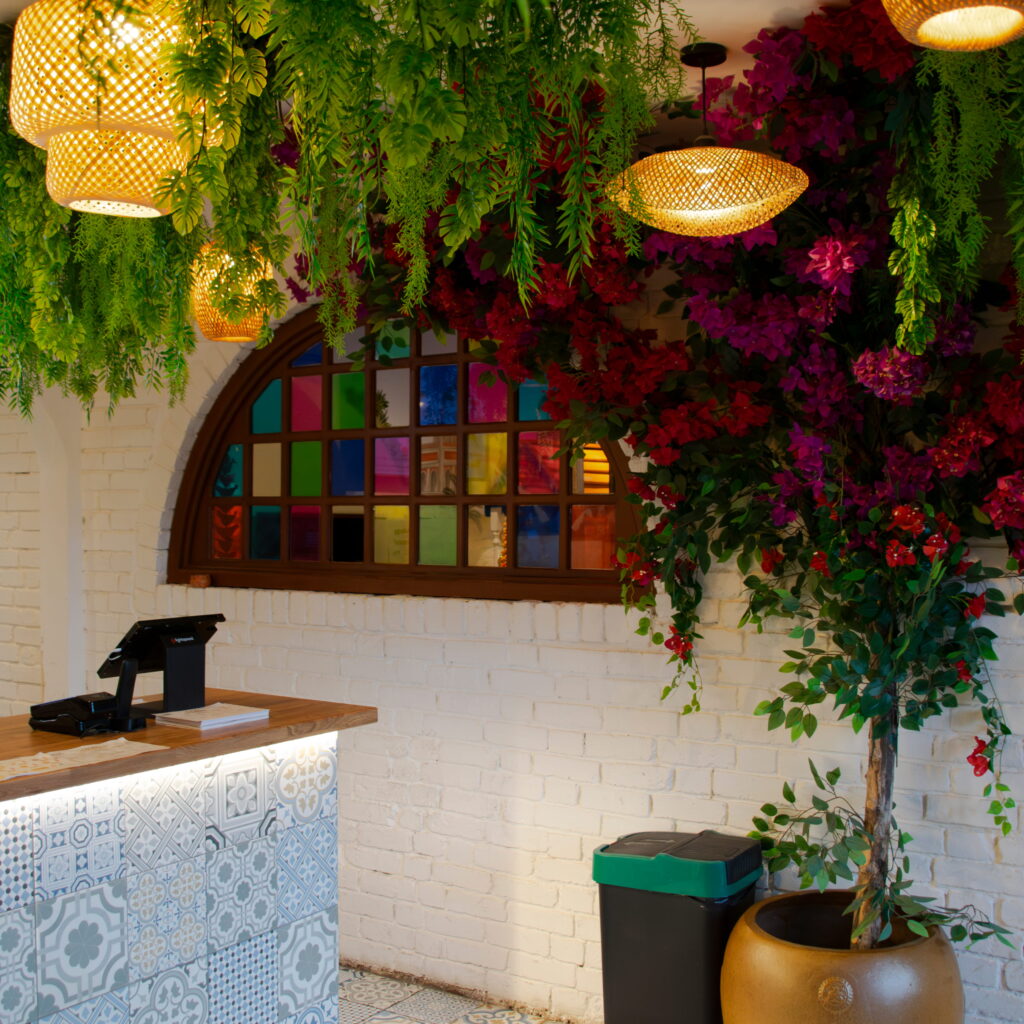
Chai Stories Cafe interior design

A Concept Inspired by Travel and Tradition

The interior concept for Chai Stories was developed around a simple but evocative idea:

What if the tranquil atmosphere of Santorini met the vibrant culture of Indian chai?

The design captures the airy, sunlit aesthetic often associated with Mediterranean cafés while celebrating the rich flavours and social rituals of chai culture. Chai cafés have increasingly become spaces that blend cultural storytelling with contemporary hospitality environments, turning tea drinking into a communal experience rather than just a beverage purchase. By combining these influences, the café interior becomes both visually striking and emotionally engaging.

Natural Light as a Design Feature

One of the most important elements in successful café interior design in London is the use of natural light. At Chai Stories, the design emphasises daylight to create a calm and uplifting environment that changes throughout the day

Key interior design features that enhance natural light include:

Large windows and open frontage

The café layout maximises daylight penetration, creating an inviting connection between the street and the interior space.

Light-toned walls inspired by Santorini architecture

Soft white and neutral surfaces reflect daylight across the interior, creating a bright and airy atmosphere.

 ● Minimal visual clutter

Clean architectural lines allow natural light to remain the focus, enhancing the sense of openness within the café.

 ● Reflective materials and light finishes

Subtle textures and finishes help distribute light throughout the seating areas, making the space feel larger and more welcoming.

Day-to-evening transition

As daylight fades, the interior lighting takes over seamlessly, maintaining the warm and relaxed ambience of the space. This approach creates a café interior that feels vibrant during the day while remaining cosy in the evening.

Santorini Aesthetics in a London Café

The Mediterranean influence appears through subtle design choices that evoke the relaxed character of island cafés.

Design elements that reference Santorini include:
● Whitewashed walls and clean architectural forms
● Soft blue accents reminiscent of coastal Greek architecture
● Textured plaster surfaces that add depth and character
● Light wooden furniture that enhances the relaxed holiday atmosphere
These details create a bright and calming café interior, offering a visual escape from thefast pace of London life.

Celebrating Indian Chai Culture

While the spatial design references Mediterranean aesthetics, the heart of the café remains rooted in Indian chai traditions. Chai culture revolves around community, storytelling, and shared experiences. Authentic chai cafés often focus on warmth, sensory richness, and relaxed social spaces that encourage people to stay longer and connect over tea.

 At Chai Stories, this influence appears through:

● A welcoming central service counter where chai preparation becomes part of the experience

● Aromatic spices and traditional recipes that reflect Indian tea culture

● A menu inspired by regional Indian flavours and street food favourites (https://www.amitdixitdesign.com/chai-stories-cafe/)

  • Comfortable seating areas designed for conversation and social interaction This combination transforms the café into more than a dining venue—it becomes a cultural meeting point.

Designing a Memorable Café Experience

Successful café interiors in London must balance aesthetics with functionality. The interior layout at Chai Stories is designed to support different customer experiences throughout the day.

The spatial flow allows for:

 ● Quick takeaway visits in the morning

● Casual daytime gatherings over chai and breakfast

● Relaxed evening socialising with friends and family By creating flexible seating zones and maintaining a visually open layout, the café adapts naturally to changing customer needs.

The Role of Interior Design in London’s Café Culture

London’s café scene has become increasingly design-led. Guests are drawn to spaces that offer atmosphere, identity, and visual storytelling alongside great food and beverages.

Projects like Chai Stories highlight how thoughtful café interior design can create a distinctive brand experience. By blending Mediterranean-inspired aesthetics with Indian chai culture, the space offers something both familiar and unexpected.

The result is a café that feels warm, vibrant, and memorable — a place where design, culture, and hospitality come together to create a unique destination.

Mezwaani Restaurant interior design

Mezwaani – Restro & Bar

Mezwaani - Restro & Bar -A New Chapter for Sheffield

 In the heart of Sheffield’s gastronomic hub, on Ecclesall Road, a new culinary landmark has emerged, challenging the boundaries of traditional dining environments.

When we were first approached with the brief, the objective was clear: create a fine-dining experience that Sheffield has never seen before.

The client sought a space that felt both alien and familiar—a unique sanctuary that could house a sophisticated fusion of Indian and Oriental cuisines while offering an immersive experience.

The Core Philosophy: Biophilic Storytelling

The architectural soul of Mezwaani is rooted in Biophilic Design.

We believe that the most successful spaces are those that foster a deep, subconscious connection between humans and the natural world.

To achieve this, we moved away from clinical luxury, opting instead for a theme we call “From the Mystic Land of India.”

This narrative allowed us to explore India’s lush, organic heritage through a contemporary design lens.

We wanted to move beyond the literal, instead playing with textures, finishes, and light to evoke the feeling of a vibrant, living ecosystem and in fusion with minimalistic Oriental design elements in the background.


“The palette is a study in contrast: fine-textured walls by Textured Paints Company provide a subtle backdrop to the raw, organic warmth of the handcrafted terracotta surfaces. Lighting is treated as sculpture, featuring artisanal ceramic pendants.” Amit Dixit.

Mezwaani Restaurant - Sheffield

Material Innovation: Use of Hand crafted & Natural Materials

The focal point of the lounge is the back-lit bar counter and display unit.

In a bold move toward tactile materiality, we utilized natural rubber leaf self-adhesive surfaces.

These surfaces, when illuminated from behind, reveal the intricate skeletal structures of the leaves, casting an ethereal, amber glow that grounds the room in organic honesty.

Lighting served as our primary tool for drama. We collaborated with ceramic artists to produce handcrafted hanging pendants.

While some mimic the playful silhouette of falling leaves, the central installation is a masterpiece of atmospheric design: a glowing cluster of “Lily Pads” suspended from the ceiling, creating a canopy that feels like a field of light floating above the diners.

The textured painted walls, by the Textured Paint Company, and hand-made natural concrete texture panels add drama to the space throughout.

The Fusion: Where India Meets the Orient

Mezwaani’s culinary identity—a fusion of Indian and Oriental flavours—is reflected in the spatial architecture.

We integrated sliding Shoji screens crafted from timber and linen, offering a nod to Oriental minimalism while providing a soft, translucent layering to the floor plan.

To define the transition from the high-energy lounge to the formal dining sanctuary, we employed vertical timber members.

These dividers provide a sense of privacy without sacrificing the open, airy flow of the restaurant.

Throughout the space, artificial trees and cascading hanging plants add a final layer of theatricality, ensuring that every corner of Mezwaani feels alive, lush, and undeniably unique

A New Chapter for Sheffield

Mezwaani – Restro + Bar is a testament to what happens when nature-inspired design meets a bold culinary vision.

For Amit Dixit Design | London, this project represents our commitment to creating spaces that are not just seen but felt.

We are proud to bring this slice of mystic luxury to Sheffield, offering a dining experience that is as much about the environment as it is about the plate.

Amit Dixit Design | London, is a Mayfair-based creative luxury interior architecture and interior design studio, delivering high-end projects in luxury hospitality, residential, F&B, wellness and various other sectors across the UK and internationally.

Amit Dixit Design | London